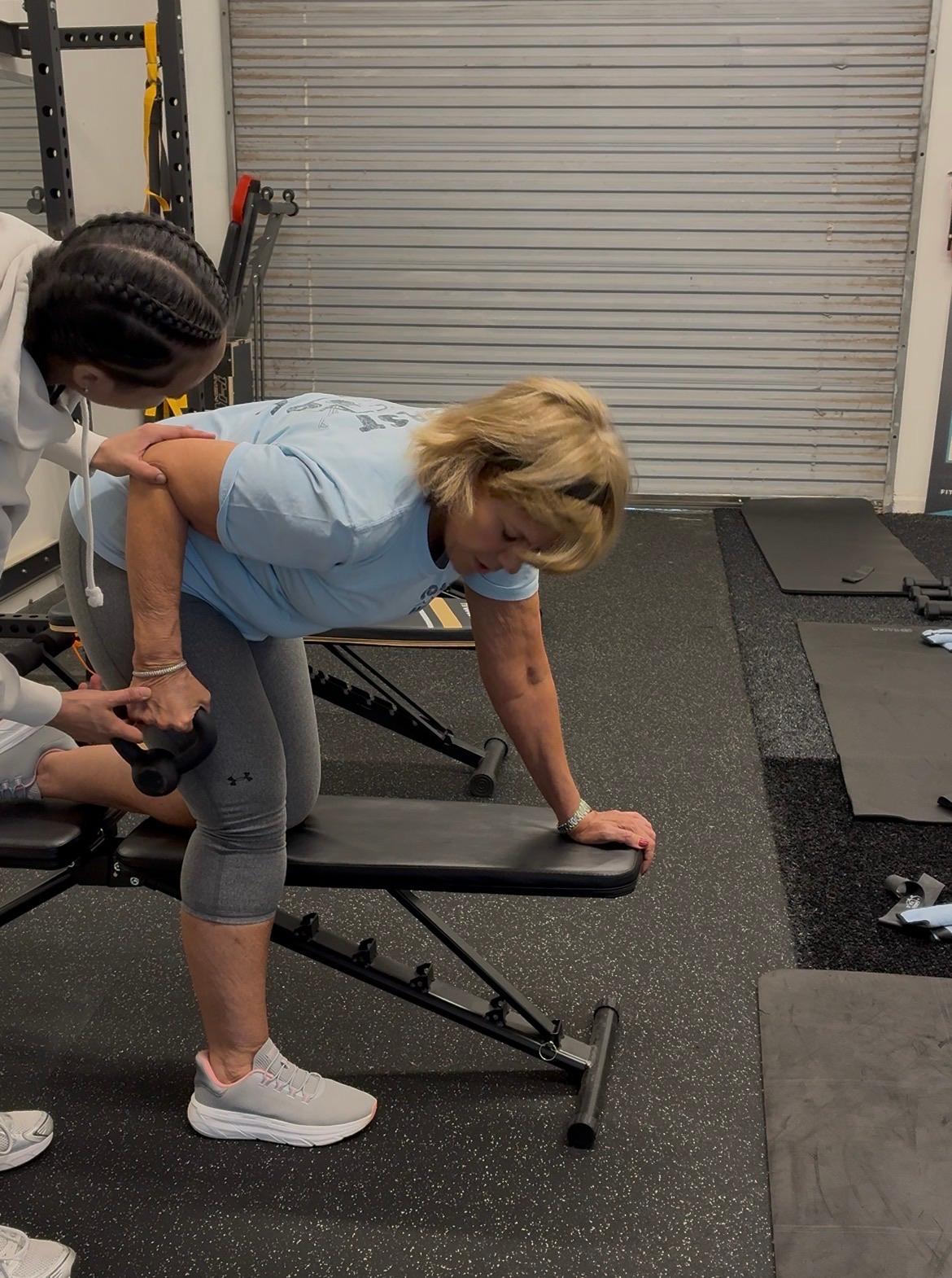
If you're a woman over 40 who hasn't lifted weights before — or hasn't in years — it's easy to freeze up before you even start. Should you do a workout you found online? Join a bootcamp? Buy a set of dumbbells and just wing it? Here's the short answer: start smaller and smarter than you think you need to, and build from there.
Why Strength Training Matters At This Stage
Your body at 45 or 55 responds differently to exercise than it did at 25, and that's normal, not a problem to panic over. Strength training helps maintain muscle, supports your joints, and makes everyday things — carrying groceries, playing with grandkids, getting up off the floor — easier. It's one of the most useful forms of exercise for this stage of life, which is exactly why a personal training studio built around strength training can make such a difference for women who've never felt at home in a traditional gym.
That said, this isn't about chasing a number on a scale or pushing through pain. It's about building a body that holds up — and feeling stronger and more capable in your day-to-day life.
What A Smart Starting Point Actually Looks Like
The biggest mistake we see is women trying to do too much, too fast — jumping into a high-intensity program designed for someone who's been training for years. A better starting point looks like this:
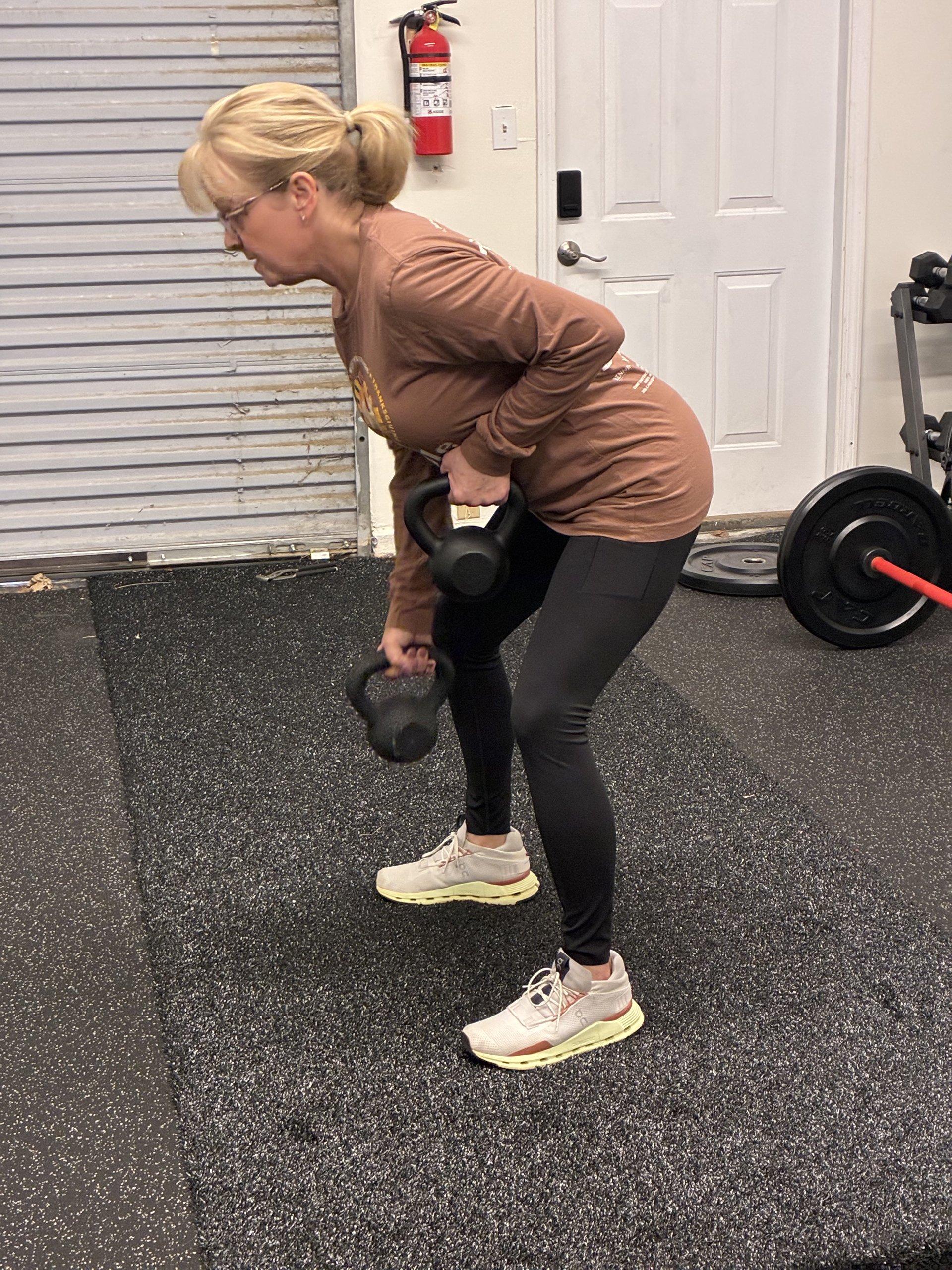
- Learn the fundamental movement patterns first — a squat, a hinge, a push, a pull, a carry — with weight that lets you own good form.
- Start with a frequency you can actually sustain. For most beginners, that's one or two sessions a week, not five.
- Expect some soreness in the first few weeks. That fades as your body adapts — it does not mean something is wrong.
- Work around what's already going on with your body — old injuries, cranky knees, a stiff shoulder — instead of ignoring it.
Common Mistakes Women Make Starting Out
A few patterns we see over and over: comparing your first session to someone else's hundredth, skipping a proper warm-up because you're short on time, and quitting after one hard week instead of giving your body a few weeks to adjust. None of these mean you're not cut out for this — they just mean the plan wasn't built around you yet.
Why A Personal Trainer Can Shortcut The Guesswork
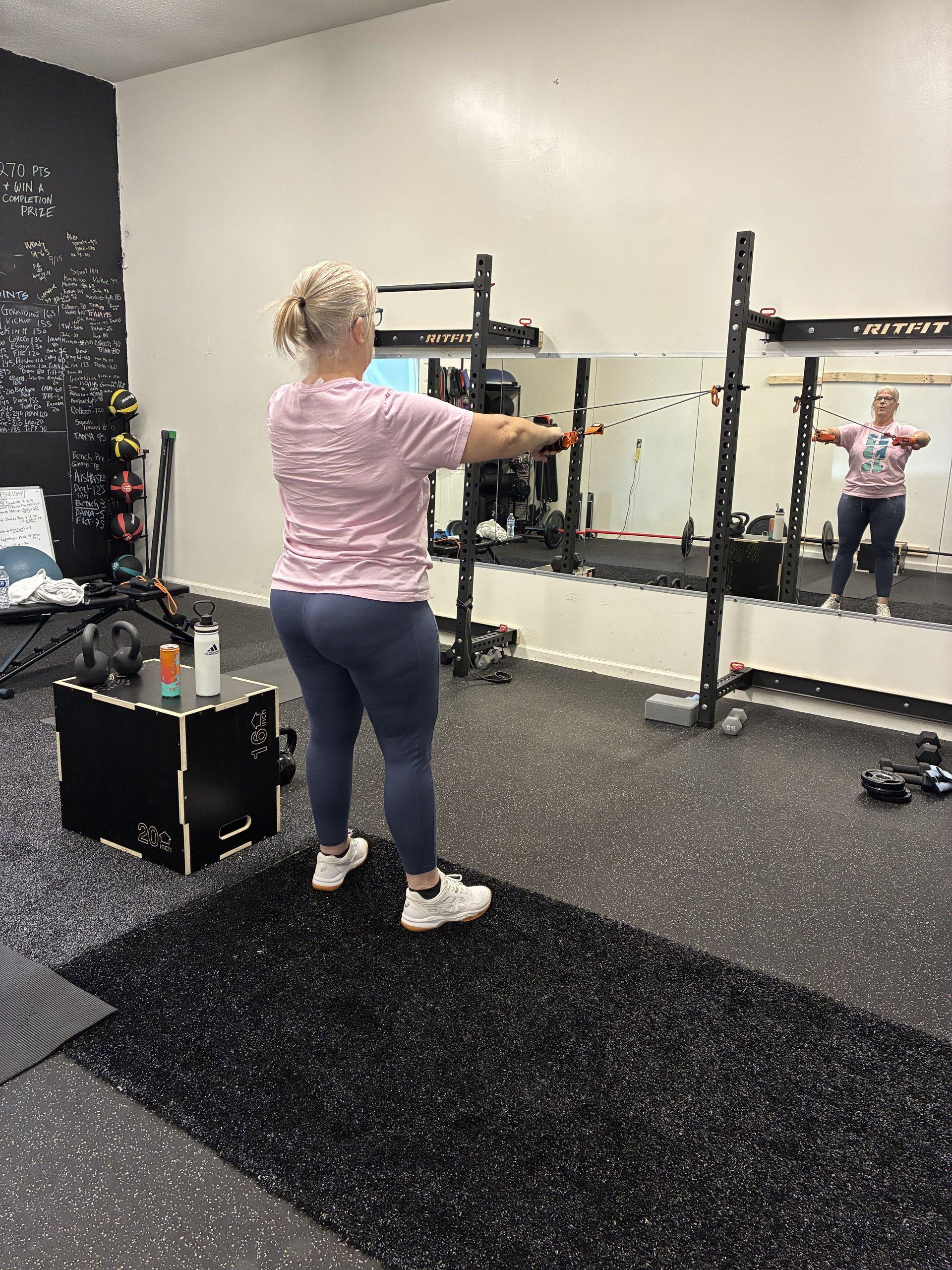
You don't have to figure this out alone, and you don't have to be "in shape" before you start working with a coach — that's backwards. At our personal training studio in Kennesaw, GA, every new client starts with a 1-on-1 assessment so we can see your current fitness level, ask about old injuries and current aches, and build a plan around your actual body, not a generic template. That's the difference between a beginner-friendly personal trainer and a workout class that assumes everyone in the room is starting from the same place.
If you've been putting off strength training because you didn't know where to start, that's exactly the conversation worth having before you buy another fitness app or sign up for a class that isn't built for you.
 Getting Started